
Nunc accumsan urna turpis, at placerat lectus vehicula non. Mauris ullamcorper maximus diam, nec tincidunt urna rutrum non. Proin sapien ex, auctor eu mauris ac, fringilla vehicula quam.
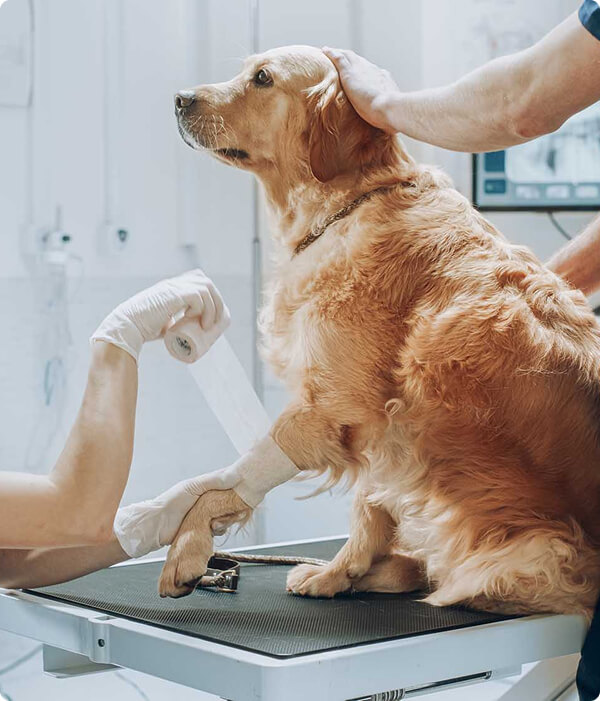
Why should your pet undergo dental care with Blue Vet?
Just like humans, our pets are vulnerable to gum disease and problems with their teeth. Alarmingly, it is estimated that up to 80% of dogs and 70% of cats suffer from some form of dental disease by the age of three.
- Enhances pet’s longevity and welfare
- Saves money on future treatments
- Reduces dental disease and pain
- Prevents bad breath and tooth decay
- Improves pet’s oral health and overall wellbeing
When there is a build up of bacteria, food particles and saliva on the teeth plaque is formed. Plaque sticks to the tooth surface above and below the gum line and if not removed will calcify into tartar (also known as calculus). This appears as a yellow-brown material on the teeth. Over time the bacterial infection in tartar causes irreversible changes to occur. These include the destruction of supportive tissues and bone, resulting in red gums, bad breath and loosening of teeth. This same bacterial infection is also a source of infection for the rest of the body (such as the kidney, liver and heart) and can make your pet seriously ill. Ultimately, dental disease results in many pets unnecessarily suffering tooth loss, gum infection and pain. It also has the potential to shorten your pet’s lifespan.
Heading
Pellentesque lectus ipsum, eleifend at ornare sed, dignissim vitae tortor. Aenean pulvinar massa suscipit leo ultrices, eu fringilla est laoreet. Mauris non sapien venenatis, convallis lectus in, hendrerit libero. Cras ac mattis leo. Nam sed accumsan elit.
Quisque rhoncus, tellus non tincidunt molestie, nulla velit fermentum sem, in accumsan nunc erat at augue. Pellentesque ullamcorper massa congue mauris dictum hendrerit. Quisque dapibus ex euismod diam viverra, id pretium felis mollis. Aenean mollis leo sapien, id luctus justo semper pulvinar. Nunc hendrerit pretium eros. Proin porttitor velit sit amet libero sodales ullamcorper. Suspendisse et mauris eget ligula egestas tristique bibendum pretium neque. Nullam consectetur quam vel bibendum suscipit. Cras egestas hendrerit ipsum vitae finibus. Suspendisse potenti.
What if my pet has dental disease?
Dental examination
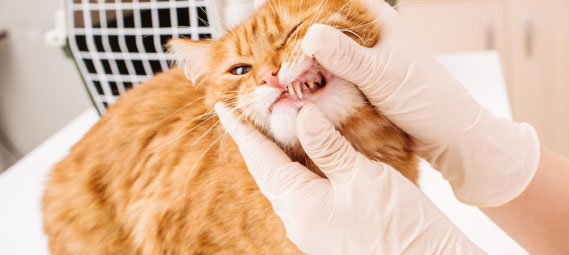
Firstly, you should have your pet's teeth examined by one of our veterinarians on a regular basis and if necessary, follow up with a professional dental clean. Your pet needs to be anaesthetised to carry out a thorough dental examination, and to clean all teeth without distressing them. Once anaesthetised, a complete dental examination is carried out. This process involves charting all present teeth and evaluating their condition, including the degree of tartar, gingivitis (gum inflammation) and any pockets in the gums around the teeth.
Services
Firstly, you should have your pet's teeth examined by one of our veterinarians on a regular basis and if necessary, follow up with a professional dental clean. Your pet needs to be anaesthetised to carry out a thorough dental examination, and to clean all teeth without distressing them. Once anaesthetised, a complete dental examination is carried out. This process involves charting all present teeth and evaluating their condition, including the degree of tartar, gingivitis (gum inflammation) and any pockets in the gums around the teeth.
Services
Firstly, you should have your pet's teeth examined by one of our veterinarians on a regular basis and if necessary, follow up with a professional dental clean. Your pet needs to be anaesthetised to carry out a thorough dental examination, and to clean all teeth without distressing them. Once anaesthetised, a complete dental examination is carried out. This process involves charting all present teeth and evaluating their condition, including the degree of tartar, gingivitis (gum inflammation) and any pockets in the gums around the teeth.
Service
Firstly, you should have your pet's teeth examined by one of our veterinarians on a regular basis and if necessary, follow up with a professional dental clean. Your pet needs to be anaesthetised to carry out a thorough dental examination, and to clean all teeth without distressing them. Once anaesthetised, a complete dental examination is carried out. This process involves charting all present teeth and evaluating their condition, including the degree of tartar, gingivitis (gum inflammation) and any pockets in the gums around the teeth.
Dental examination
Firstly, you should have your pet's teeth examined by one of our veterinarians on a regular basis and if necessary, follow up with a professional dental clean. Your pet needs to be anaesthetised to carry out a thorough dental examination, and to clean all teeth without distressing them. Once anaesthetised, a complete dental examination is carried out. This process involves charting all present teeth and evaluating their condition, including the degree of tartar, gingivitis (gum inflammation) and any pockets in the gums around the teeth.
Dental examination
Firstly, you should have your pet's teeth examined by one of our veterinarians on a regular basis and if necessary, follow up with a professional dental clean. Your pet needs to be anaesthetised to carry out a thorough dental examination, and to clean all teeth without distressing them. Once anaesthetised, a complete dental examination is carried out. This process involves charting all present teeth and evaluating their condition, including the degree of tartar, gingivitis (gum inflammation) and any pockets in the gums around the teeth.
Services
Firstly, you should have your pet's teeth examined by one of our veterinarians on a regular basis and if necessary, follow up with a professional dental clean. Your pet needs to be anaesthetised to carry out a thorough dental examination, and to clean all teeth without distressing them. Once anaesthetised, a complete dental examination is carried out. This process involves charting all present teeth and evaluating their condition, including the degree of tartar, gingivitis (gum inflammation) and any pockets in the gums around the teeth.
Services
Firstly, you should have your pet's teeth examined by one of our veterinarians on a regular basis and if necessary, follow up with a professional dental clean. Your pet needs to be anaesthetised to carry out a thorough dental examination, and to clean all teeth without distressing them. Once anaesthetised, a complete dental examination is carried out. This process involves charting all present teeth and evaluating their condition, including the degree of tartar, gingivitis (gum inflammation) and any pockets in the gums around the teeth.
Service
Firstly, you should have your pet's teeth examined by one of our veterinarians on a regular basis and if necessary, follow up with a professional dental clean. Your pet needs to be anaesthetised to carry out a thorough dental examination, and to clean all teeth without distressing them. Once anaesthetised, a complete dental examination is carried out. This process involves charting all present teeth and evaluating their condition, including the degree of tartar, gingivitis (gum inflammation) and any pockets in the gums around the teeth.
Dental examination
Firstly, you should have your pet's teeth examined by one of our veterinarians on a regular basis and if necessary, follow up with a professional dental clean. Your pet needs to be anaesthetised to carry out a thorough dental examination, and to clean all teeth without distressing them. Once anaesthetised, a complete dental examination is carried out. This process involves charting all present teeth and evaluating their condition, including the degree of tartar, gingivitis (gum inflammation) and any pockets in the gums around the teeth.
Dental examination
Firstly, you should have your pet's teeth examined by one of our veterinarians on a regular basis and if necessary, follow up with a professional dental clean. Your pet needs to be anaesthetised to carry out a thorough dental examination, and to clean all teeth without distressing them. Once anaesthetised, a complete dental examination is carried out. This process involves charting all present teeth and evaluating their condition, including the degree of tartar, gingivitis (gum inflammation) and any pockets in the gums around the teeth.
Services
Firstly, you should have your pet's teeth examined by one of our veterinarians on a regular basis and if necessary, follow up with a professional dental clean. Your pet needs to be anaesthetised to carry out a thorough dental examination, and to clean all teeth without distressing them. Once anaesthetised, a complete dental examination is carried out. This process involves charting all present teeth and evaluating their condition, including the degree of tartar, gingivitis (gum inflammation) and any pockets in the gums around the teeth.
Services
Firstly, you should have your pet's teeth examined by one of our veterinarians on a regular basis and if necessary, follow up with a professional dental clean. Your pet needs to be anaesthetised to carry out a thorough dental examination, and to clean all teeth without distressing them. Once anaesthetised, a complete dental examination is carried out. This process involves charting all present teeth and evaluating their condition, including the degree of tartar, gingivitis (gum inflammation) and any pockets in the gums around the teeth.
Service
Firstly, you should have your pet's teeth examined by one of our veterinarians on a regular basis and if necessary, follow up with a professional dental clean. Your pet needs to be anaesthetised to carry out a thorough dental examination, and to clean all teeth without distressing them. Once anaesthetised, a complete dental examination is carried out. This process involves charting all present teeth and evaluating their condition, including the degree of tartar, gingivitis (gum inflammation) and any pockets in the gums around the teeth.
Dental examination
Firstly, you should have your pet's teeth examined by one of our veterinarians on a regular basis and if necessary, follow up with a professional dental clean. Your pet needs to be anaesthetised to carry out a thorough dental examination, and to clean all teeth without distressing them. Once anaesthetised, a complete dental examination is carried out. This process involves charting all present teeth and evaluating their condition, including the degree of tartar, gingivitis (gum inflammation) and any pockets in the gums around the teeth.
Dental examination
Firstly, you should have your pet's teeth examined by one of our veterinarians on a regular basis and if necessary, follow up with a professional dental clean. Your pet needs to be anaesthetised to carry out a thorough dental examination, and to clean all teeth without distressing them. Once anaesthetised, a complete dental examination is carried out. This process involves charting all present teeth and evaluating their condition, including the degree of tartar, gingivitis (gum inflammation) and any pockets in the gums around the teeth.
Services
Firstly, you should have your pet's teeth examined by one of our veterinarians on a regular basis and if necessary, follow up with a professional dental clean. Your pet needs to be anaesthetised to carry out a thorough dental examination, and to clean all teeth without distressing them. Once anaesthetised, a complete dental examination is carried out. This process involves charting all present teeth and evaluating their condition, including the degree of tartar, gingivitis (gum inflammation) and any pockets in the gums around the teeth.
Services
Firstly, you should have your pet's teeth examined by one of our veterinarians on a regular basis and if necessary, follow up with a professional dental clean. Your pet needs to be anaesthetised to carry out a thorough dental examination, and to clean all teeth without distressing them. Once anaesthetised, a complete dental examination is carried out. This process involves charting all present teeth and evaluating their condition, including the degree of tartar, gingivitis (gum inflammation) and any pockets in the gums around the teeth.
Service
Firstly, you should have your pet's teeth examined by one of our veterinarians on a regular basis and if necessary, follow up with a professional dental clean. Your pet needs to be anaesthetised to carry out a thorough dental examination, and to clean all teeth without distressing them. Once anaesthetised, a complete dental examination is carried out. This process involves charting all present teeth and evaluating their condition, including the degree of tartar, gingivitis (gum inflammation) and any pockets in the gums around the teeth.
Dental examination
Firstly, you should have your pet's teeth examined by one of our veterinarians on a regular basis and if necessary, follow up with a professional dental clean. Your pet needs to be anaesthetised to carry out a thorough dental examination, and to clean all teeth without distressing them. Once anaesthetised, a complete dental examination is carried out. This process involves charting all present teeth and evaluating their condition, including the degree of tartar, gingivitis (gum inflammation) and any pockets in the gums around the teeth.
Book appointment
Aliquam placerat dapibus erat et viverra. Sed in orci euismod turpis scelerisque rutrum. Pellentesque tincidunt accumsan.
FAQs
Nunc accumsan urna turpis, at placerat lectus vehicula non. Mauris ullamcorper maximus diam, nec tincidunt urna rutrum non. Proin sapien ex, auctor eu mauris ac, fringilla vehicula quam.
Nunc accumsan urna turpis, at placerat lectus vehicula non. Mauris ullamcorper maximus diam, nec tincidunt urna rutrum non. Proin sapien ex, auctor eu mauris ac, fringilla vehicula quam.
Nunc accumsan urna turpis, at placerat lectus vehicula non. Mauris ullamcorper maximus diam, nec tincidunt urna rutrum non. Proin sapien ex, auctor eu mauris ac, fringilla vehicula quam.
Nunc accumsan urna turpis, at placerat lectus vehicula non. Mauris ullamcorper maximus diam, nec tincidunt urna rutrum non. Proin sapien ex, auctor eu mauris ac, fringilla vehicula quam.
Nunc accumsan urna turpis, at placerat lectus vehicula non. Mauris ullamcorper maximus diam, nec tincidunt urna rutrum non. Proin sapien ex, auctor eu mauris ac, fringilla vehicula quam.
Nunc accumsan urna turpis, at placerat lectus vehicula non. Mauris ullamcorper maximus diam, nec tincidunt urna rutrum non. Proin sapien ex, auctor eu mauris ac, fringilla vehicula quam.